
Pulses are very much on the ascendancy, with beans and lentils projected to be found everywhere in 2026. While protein has been on trend for some time, the importance of fibre for a healthy gut microbial balance has finally come of age. If 30g if fibre is the recommended daily minimum target, most westerners barely make it to the 20g mark.
Combining protein with healthy carbohydrate and a high fibre content, as well as plentiful Iron, Calcium and other essential micronutrients, beans, pulses and legumes pack that nutritional punch that has so far been lacking in Western diets
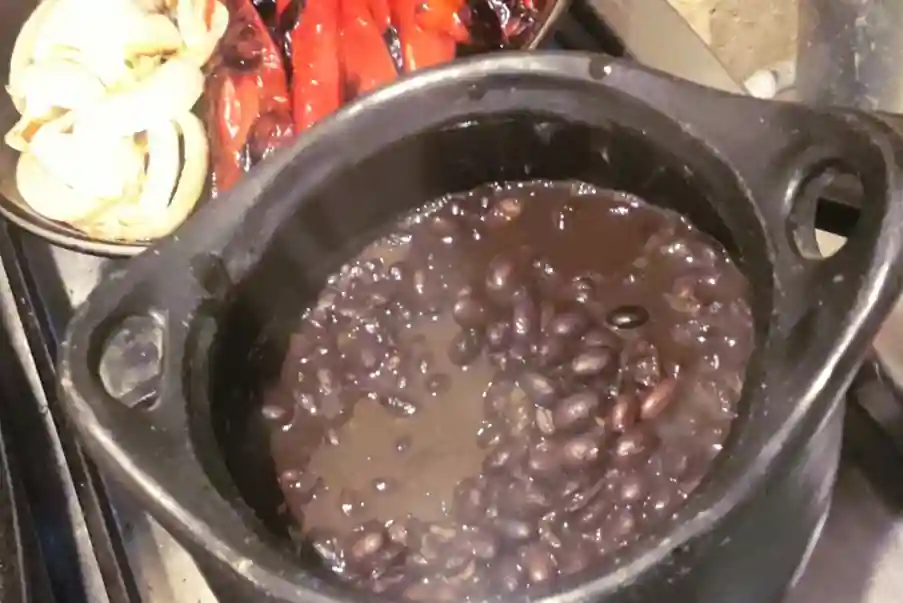
Authentically Mexican Black Beans Recipe
Beans have been a staple of traditional Mexican and other American societies since antiquity. Paired with maize or corn they've been providing complete protein and energy to entire civilizations for millennia. Black beans are also rich in micro-nutrients, with plentiful amounts of folate, vitamin B1, iron and magnesium
Here in Europe, we tend to think of refried Mexican beans, that réchauffé of beany nectar days in the making, sautéd with garlic, chilli, cumin and aromatic herbs and spices, more delectable with each day it matures
Yet, delicious as they are, before refried beans comes the mother-dish, Olla de frijoles. Deep and subtle, succulent little parcels are steeped in a broth of garlic and sweet onion, and brought together by the unique aroma of epazote (Dysphania Ambrosioides), an herb known in Europe as wormseed and reputed, among other things, to bring relief from any tiny tendency to flatulence
Mexican Beans - Traditional Ingredients
Back Beans
Beans are legumes, a classification which includes peas, lentils, and also peanuts. Of the different types of black beans, black turtle beans are the commonest and most readily available. Feel free to use any black beans of your choosing, bearing in mind that different varieties may require different cooking times
Epazote Herb
After the beans themselves, Epazote herb provides the quintessential backbone of traditional Mexican black beans. Epazote is ubiquitous in Mexican cuisine and one of its defining tastes, and well worth trying to source. The herb can be easily grown from seed in warm and temperate climates. Otherwise the dried herb keeps its flavour fairly well
Black beans pair beautifully with a wide range of herbs commonly available in Europe: try dill for a grassy, earthy aroma with minty undertones, go with aniseed aromatics like tarragon and chervil, or take a more savoury turn with oregano, thyme or marjoram. If you want to try the authentic Mexican taste of beans, you can get epazote in the UK from the Cool-Chile-Company (http://coolchile.co.uk) and other Mexican shops online. I guess I should also mention Amazon?
Onions / Garlic
Not uncommonly, Mexican cooks skip sautéing onions and garlic, instead charring them on a dry skillet, or adding them raw to tomatoes and chillies to form a purée. This is the most common approach when preparing home-made Mexican black beans
Simply peel and quarter the onion and top and tail a whole garlic bulb to reveal some of the flesh, then add both to the pot
Variations To Enhance Your Dish
Other Herbs And Spices
As with all world cuisines, Mexican cuisine is regional and subject to no end of variations. If you can't get hold of epazote, don't worry. You can make excellent Mexican black beans using lots of other herbs and spices.
Dill, for example, has aromatic qualities I think are sympathetic to epazote, and is my personal favourite alternative. Add the dry herb to the raw ingredients, or the fresh roughly chopped fronds at the end of the cooking process
Other herbs you can use include tarragon for that aniseed sweetness, or more robust herbs like oregano and thyme for a high savoury note. Parsley makes a good pairing with the last two: tie up the stalks and add them to the raw ingredients. Then, remove them and add the roughly chopped leaves at the end of cooking
You can also add in any of your favourite spices, such as cumin or fennel. Dry-roasted then roughly ground in a mortar and pestle is best
Chillies / Dry Sweet Peppers
The most traditional bean recipes like the abuelita (grandma) used to make don't usually include chillies. My Mexico City friend Claudia Regina adds sautéed green tomatillos and green serrano chillies, while her sister Angelica uses smoky chipotles or morita with pinto beans and ancho, pasilla or guajillo chillies with her black beans
I like chipotles with all Mexican bean dishes. The recipe below also uses a large ancho chilli. You can omit both, or enjoy some smokiness without the heat using sweet Spanish La Vera paprika
Tomatoes / Tomatillos
While tomatoes don't feature in the most "traditional" Mexican bean dishes, they can certainly add richness to the dish
I've seen my friend Claudia Regina (she lives in beautiful Coyoacan, in Mexico City) use green tomatillos ehich she sautés with onion, garlic and some bay leaf in olive oil
Note
Lest I get told off by Claudia, I feel bound to mention that in Mexico, home to the tomato, red tomatoes are referred to as Jitomates, while green tomatoes, which are not tomatoes at all, but related to the Cape Gooseberry, or Physallis, come in the larger Tomate and the smaller Tomatillo varieties. Make of that what you will
Cooking Up Perfect Beans
Preparing homemade Mexican black beans is not difficult. But achieving perfection requires some attention to detail and a bit of culinary know-how. Here are a few tips to ensure your beans are not just flavoursome, but also cooked to perfection
Soak
Soaking is essential for any good bean dish. While there are time-saving hacks like using a pressure cooker soaking remains the method of choice. Soak the beans for at least 8 hours, or overnight. Apart from reducing cooking time and yielding the best texture, soaking also helps remove indigestible sugars that can cause gas, and other anti-nutrients that can reduce the nutritional content of your dish
Sauté
While traditional beans don't pre-cook the onions and garlic, sautéing both in a little oil certainly enriches and develops their flavour. Take your time to cook them until they develop a golden color. Add dried herbs and spices to halfway through the sautéing process to allow the herbs and spices to release their aromatic oils for maximum flavour
Simmer
Perfect Mexican black beans take time to develop their flavour. Cook them on a low heat over a long period. Once the beans have come to a boil, turn the heat to low and simmer gently for at least an hour, and probably longer. This slow cooking process allows the flavors to meld together and ensures tender, creamy beans.
Most cooks add salt towards the end of cooking. Adding salt to the beans too early tends to toughen their skins. Maybe you want a firm bean with a wonderfully tender and savoury centre? On the other hand, adding slat too late makes for a rather bland bean in a rather salty broth. As with everything, it's about getting a balance and pleasing your palate. There's room for experimentation here
Pressure Cooking
I've made great Mexican black beans in the pressure cooker. Admittedly, they've been better the next day, and heavenly the day after, and that's before re-frying. But that's the natural order of things
While pressure cooking will take care of even dry, unsoaked beans, I don't recommend it. The result can be an uneven cook with some beans turned to mush while others remain "crunchy"!
Bring to the boil on a high pressure setting until steam escapes, then simmer your beans on a low flame at high pressure for just 7-8 minutes. Turn off the flame and let pressure normalize naturally, with the weight or valve still applied
The beans should still be a little firm and there may be excess liquid. This is a good time to season with salt, then simmer just partially covered until the beans are tender and most of the water has evaporated. Alternatively, if the beans start to run dry, have a kettle of very hot water handy to top up your beans
Storing And Reheating Mexican Beans
The best Mexican style black beans are a day (or two) old! As soon as the beans reach room temperature pop them in the fridge. The following day cook, covered, at medium high heat for around 10 minutes adding sufficient water to prevent the beans sticking or burning. If you make enough beans to last you a couple of days they'll begin to fall apart to create a divine mush. This is the time to consider making re-fried beans
Réchauffé: Refried Mexican Black Beans
This is probably the most exciting stage of your beans' journey. You can really let rip here and incorporate some of your favourite condiments.
Sautéing the condiments is obligatory. While Mexicans love using manteca, or pork dripping, we veggies can stick with olive or any other good oil. Sauté garlic, plenty of it, fresh or dried chillies, especially smoky chipotles, or La Vera Spanish paprika for a milder hit.
Add herbs such as oregano, marjoram, thyme, even rosemary. I love cumin, but not so much with my beans. You might beg to differ. I love corander. But Mexicans say coriander kills epazote. I think they're right. On the other hand, if you haven't used epazote, and even if you have, go for it!
Click the link for a detailed step-by-step guide to cooking up Mexican refried black beans to perfection
Serving And Pairing Suggestions
Mexican black beans are fantastically versatile and can be enjoyed in lots of ways. By way of suggestion, here are a few of the ways we serve them here at the Spanish Yoga Retreat
1. Side dish: Mexican beans are a delicious side dish with any Mexican-inspired meal. In fact, any meal at all. They pair particularly well with all corn-based dishes like enchiladas and tacos, and also with tamales
2. Beans can be used as a filling for tlacoyos: a doble-layered, oval tortilla with a bean centre. I'll be sharing a recipe for these very shortly. Meanwhile, here's a link to another page with a nice recipe for tlacoyos
3. Enfrijoladas: Use refried beans loosened with vegetable broth to coat soft corn tortillas, fill them with something yummy, then fold or roll them onto a serving dish. Add your favorite toppings such as soft crumbly feta, or a hard cheese for melting under the grill. Top with your favourite salsa and enjoy
3. Mexican black bean soup: Puree the cooked beans with some vegetable broth to create a hearty and nutritious bean soup. Spice it up with chipotles in adobo or La Vera Spanish paprika, and top it with a dollop of sour cream or non-dairy yoghurt, chopped coriander, and a squeeze of lime for an extra burst of flavour.
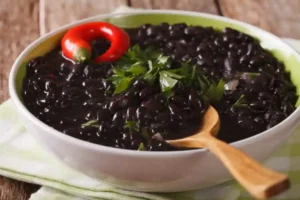
Olla De Frijoles Negros - Mexican Black Beans
Ingredients
- 2 cups black beans
- 1 large onion peeled and quartered
- 1 bulb garlic whole
- 1 bunch epazote or other herb, eg oregano, dried or fresh
- 1 whole ancho chilli (optional) or x2 Kashmiri or other large dried chilli
- 1 whole chipotle or morita chilli (optional) Or 1/4 tsp smoked Spanish paprika
- 2 bay leaves
- salt to taste
Instructions
- place the beans in a bowl, cover with at least twice it's volume of water and leave to soak 8-12 hours - effectively overnight
- transfer the drained beans into a large pot. Add all the other ingredients including a little salt & enough cold water to cover by a couple of inches
- Once boiling simmer on medium-low heat until the beans are soft but hold their shape: 50-90 minutes in a conventional pot; 30 minutes in a pressure cookerTop up with water as necessary
- Remove the garlic remnants & bay leaves and adjust the seasoning
- The beans should be very tender but hold their shape and the liquid should be thick enough to coat the beans. Cook for a little longer if necessary to achieve this consistency
- Serve with rice, corn or wheat tortillas or a slice of crusty bread and a crispy salad. Black beans love a sprinkling of fresh crumbly cheese such as Greek feta or the traditional Mexican "queso fresco" if you can source it
Notes
Delicious Refried Black Beans Recipe: Quick & Easy Guide
Home Cooked Refried Black Beans Recipe Beans are about the best staple in your store cupboard. Packed with protein, fibre, healthy carbohydrates and essential vitamins and minerals, they are a flavourful, nutritious and economic addition to any meal In the previous...
Corn Tortillas Recipe: A Step-by-Step Guide
Authentic Corn Tortillas At HomeMaster The Art With Our Step-By-Step Recipe Guide Along with the "frijol" or bean, corn has been a staple in Pre-Hispanic America for millennia, with modern day societies spanning the USA, Mexico And Central and South America relying on...
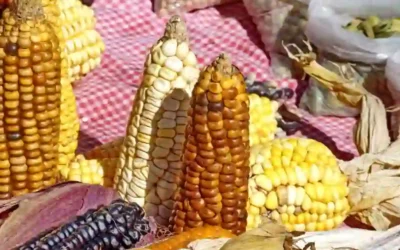
Nixtamalization Of Corn: Secret Of Ancient America
The process of breaking down the outer husk with an alkali, nixtamalization of corn increases the bioavailability of protein, B3 and other essential nutrients, while releasing the full flavour of maize