
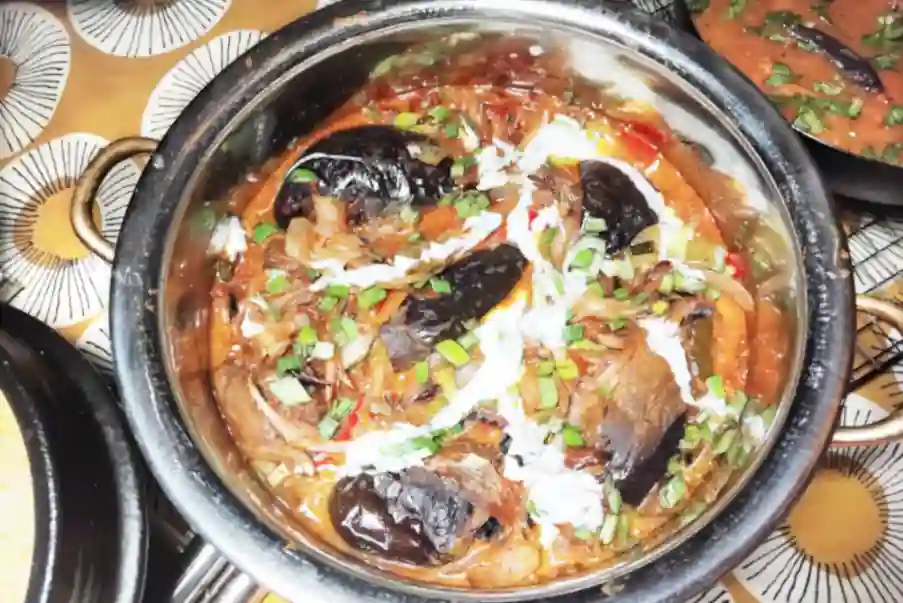
Onions Twice: Do Pyaza
Literally meaning “onions two times” Do Piaza is a rich and fragrant dish dating back to the time of Moghul India. The great Emperor Akbar Mullah is credited with the original dish of lamb, marinated in cultured curd and fragrant spices like cardammon, clove, cinnamon and black pepper, then cooked in a gravy rich with onions and more spices, before being finished with second layer of caramelized onions
Modern versions often retain the yoghurt, though this is optional, and usually include tomatoes, for their sweetness, tang, and umami. If this sounds less than authentic, it’s worth remembering that at this time tomatoes and chillies were unknown in Indian kitchens, having just been introduced to Southern India by Portuguese merchants. Curiously chillies, so synonymous with Indian food today, did not grace North Indian fare until well into the 18th Century
It’s All In The Onions
Onions feature prominently in Indian cuisine. They are a major component not just of of the restaurant curry gravy I described in a recent post, but of most Indian curries. However, in order to transform a few onions onions into a great curry you’ll need to subject them to a very particular process
When onions hit warm oil they initially start to shed their water content. But the real magic comes later, as dehydration gives way to two essential and simultaneous chemical transformations
- caramelization of the natural sugars
- the Maillard reaction:
In addition to sugars, onions contain amino acids. These constituent elements of protein react with the sugars in the so called Maillard reaction to produce that familiar deep sweet, savoury depth of taste. This is umami or deliciousness, the fifth primary taste, which signals to the body the presence of protein
A third property of onions I feel is often overlooked: onions are also great absorbers of odours from their immediate surroundings. That’s why it’s not recommended to leave a cut onion unwrapped in the fridge, at least not if you want to eat it later. But, on the plus side, all those aromatic compounds leaching from the spices into the oil are headed straight for the onions
With this combo of sweet and savoury, coupled with their ability to imbibe flavour from their environment, is it any wonder the humble onion is hailed as the very essence of curry?
While on the subject, did you know that tomatoes are also packed with umami? This wasn’t much appreciated in the early days of Do Pyaza, but knowing what we do now, surely it would be negligent of us not to include tomatoes in this Mughal masterpiece?
So, knowing what we now know about onions – and tomatoes – aprons on, and let’s get cooking

Aubergine Do Pyaza: Onions Twice
Ingredients
- 2-3 large aubergines (brinjal)
- 2 red or green capsicums coarsely chopped or sliced
- 4 medium onions finely chopped
- 1 large white onion or 8-10 shallots sliced
- 3 cloves garlic finely chopped or pounded in a mortar and pestle
- 1/2 inch piece of ginger root (optional) finely chopped or pounded in a mortar and pestle
- 2 medium tomatoes finely chopped or grated or 1/2 tin tomatoes
- 1 tsp tomato paste (optional)
- 1/2 - 2/3 cup whole milk or vegan yoghurt or kefir (optional)
- oil for sautéeing
- salt to taste
Whole Spices
- 2 cloves
- 1/2 stick cinnamon
- 1 black cardamon split open
- 2-3 green cardamons split open
- 8-10 grains black pepper
- 1/2 tsp cumin seeds
- 1/4 tsp fenugreek seed
- 1-3 dried red chillies (eg Kashmiri)
- 1 large bayleaf
Powdered Spices
- 1/2 tsp turmeric
- 1/2 tsp cumin
- 1 tbsp coriander
- 1/2 - 1 tsp red chilli powder or more, to taste
- 1 large pinch dried fenugreek leaf (kasoori methi) (optional)
Instructions
Prepare The Aubergines
- browning the aubergines greatly improves their flavour, while leaving them partially uncooked ensures they will absorb all the flavour of the masala. Here's three ways to pre-cook your aubergines

- SAUTÉED WHOLE: shallow frying aubergines whole, skins on, lets you use significantly smaller quantities of oil. Brown them on all sides, then put them aside while you prepare the masala (sauce). I like to remove whatever skin comes off easily, then cut them into four lengthways before carefully placing them into the masala

- CHOPPED & SAUTÉED - skins on or off as per your preference. Cut the aubergines into large chunks and sauté in oil until lightly browned. Set aside
- OVEN BAKED - I think baked aubergines are good with skins on. Toss the chopped aubergines in a little oil, salt lightly, and bake for about 20 minutes at 180 C
- And if you really can't be faffed, just chuck them into the masala raw. They'll still taste great
Temper the Whole Spices
- heat a couple of tablespoons of oil
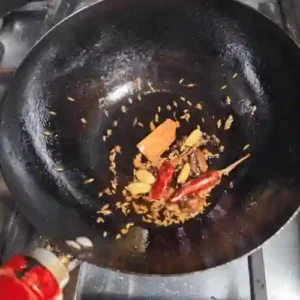
- add in the cardamons, peppercorns, cloves and cinnamon. Stir until fragrant
- add the cumin seeds and let them sizzle until they release their aroma
- add the fenugreek, chillies, and bay leaf, stir so they don't burn
Make The Masala (Gravy)
- add the onions to the spice tempering. A large pinch of salt helps to draw out the water. Cook over a very low flame until translucent and lightly browned (15-20 mins)
- Add the garlic (and ginger, if using). Cook for a further 10 minutes, adding a splash of water to avoid sticking, charring or burning. Cook the onions until until they have completely collapsed and caramelization and umami permeate your kitchen
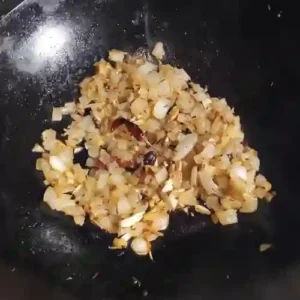
- add the capsicums, with a drop more oil if necessary, and sauté until they begin to soften and change colour
- add all the powdered spices, mix into the onions-capsicums and sauté for a good half a minute, stirring continuously
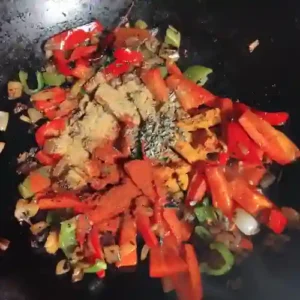
- add the tomatoes, season with salt, and simmer until the tomatoes have wilted and the spices have lost their raw aroma. If the masala starts to dry and the spices are still smelling a bit raw, add a splash of water
- NOTE some cooks look out for the point where the oil separates from the masala. While this is a sure sign your masala is ready, I find you have you use a good amount of oil for this to work. If you want to moderate your oil use, let your nose be your guide
- when the masala is ready, stir in the yoghurt, if using, and finally add in the aubergines:
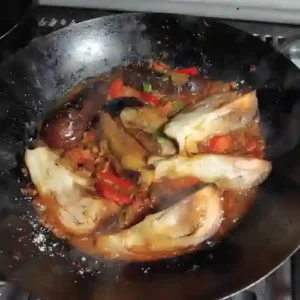
- add a scant cup of water (you can add more later), cover with a lid, and simmer until the aubergines are tender but still hold their shape
Caramelize More Onions
- while the masala is simmering, gently sauté the extra onion or shallots in a tablespoon of oil, butter/ghee, or both, until softened and golden brown
- half way through cooking the onions, I like to push them aside and throw in just a splash of sherry or other dark vinegar to the pan, waiting until it has completely evaporated before covering the residue with the onions. Season lightly with salt, and, if you've used vinager, consider adding in a soupçon of sugar (I use honey) to balance out any sharpness
Finish The Dish
- sprinkle the sautéed onions over the finished dish with some chopped coriander and any spring onion greens you might happen to have in your fridge
- Serve and enjoy
Check Our Other Plant Based Posts For More Delectable Indian And Other World Dishes
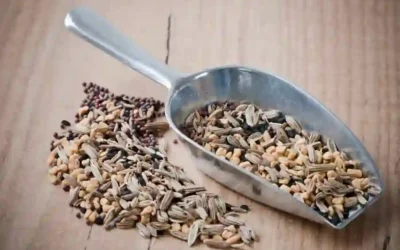
Panch Phoron – Indian 5 Spice To Elevate Any Dish
Indian cooks work mostly with individual spices, creating unique symphonies of flavour on the fly – with some notable exceptions, as with the spice blend Panch Phoron
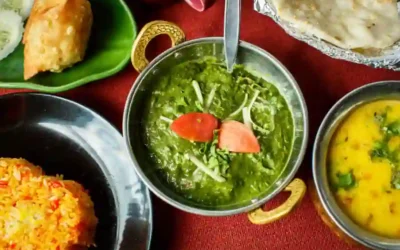
From Base Gravy To Vegetable Bhajis – 3 Veggie Classics
Armed with your restaurant curry gravy, rich with long cooked onions and aromatic spices, you’ll have these three classics ready in a jiffy
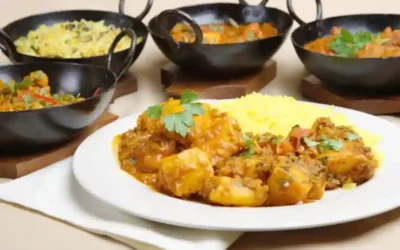
Curry Gravy: Secrets Of The Great Restaurant Curry
A good curry takes time. Onions form the backbone, but need long cooking. Spices are the essence, but need time to develop. You can’t rush a good curry. But there is a way …